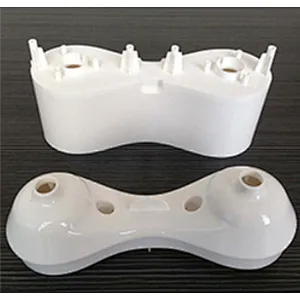

What's Injection Molding
Injection molding is a most effective manufacturing processes for producing small volume and large quantities of plastic parts. A manufacturing process for producing plastic parts from both thermoplastic and thermosetting materials, injection molding can create parts with complex geometries that many other processes cannot. Injection molding is widely used for manufacturing a variety of parts, from the smallest medical device component to entire body panels of cars.
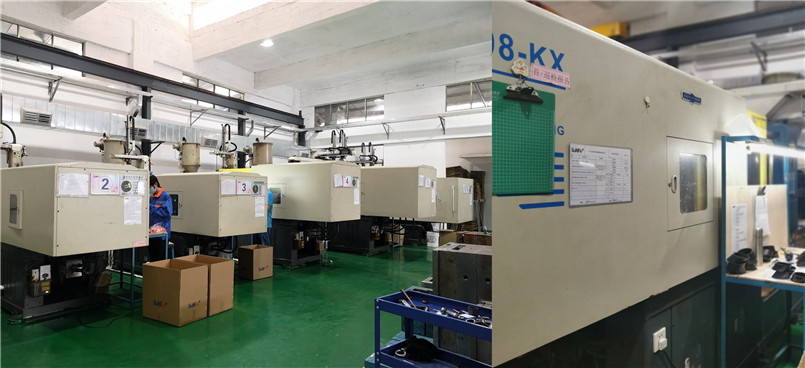
Injection Molding at US-RAPID
Injection molding is the most common modern method of manufacturing plastic parts. It is used to create a variety of parts with different shapes and sizes, and it is ideal for producing high volumes of the same plastic part.
At US-RAPID, we specialize in producing the prototyping and low volume injection molding parts in high-precision, repeatability, and cost efficiency at scale. It used to produce the parts for Home Appliances, Industrial Automation, Medical Devices, Satellite communication, Eletronics, Lighting.
How Plastic Injection Molding Works
Plastic injection molding is a manufacturing process where resin in a barrel is heated to a molten state, then shot into a mold to form a part in the shape of the mold.
The Plastic Injection Molding Process
When the injection mold tool is ready, the molding process consists of the following steps:
Step 1. The resin begins as plastic pellets, which are gravity fed into the injection molding machine through a funnel-shaped hopper.
Step 2. The pellets are fed from the hopper into a heated chamber called the barrel where they are melted, compressed, and injected into the mold’s runner system by a reciprocating screw.
Step 3. Within the barrel, the pellets are mixed and heated until fully molten, forming the liquid resin.
Step 4. The heated mold closes automatically and resin, under great pressure, is injected through a gate and into the mold cavity.
Step 5. The part cools and hardens to the shape of the mold cavity. Then the two halves of the mold open up and ejector pins push the part out of the mold where it falls into a bin, and then begins a new cycle.
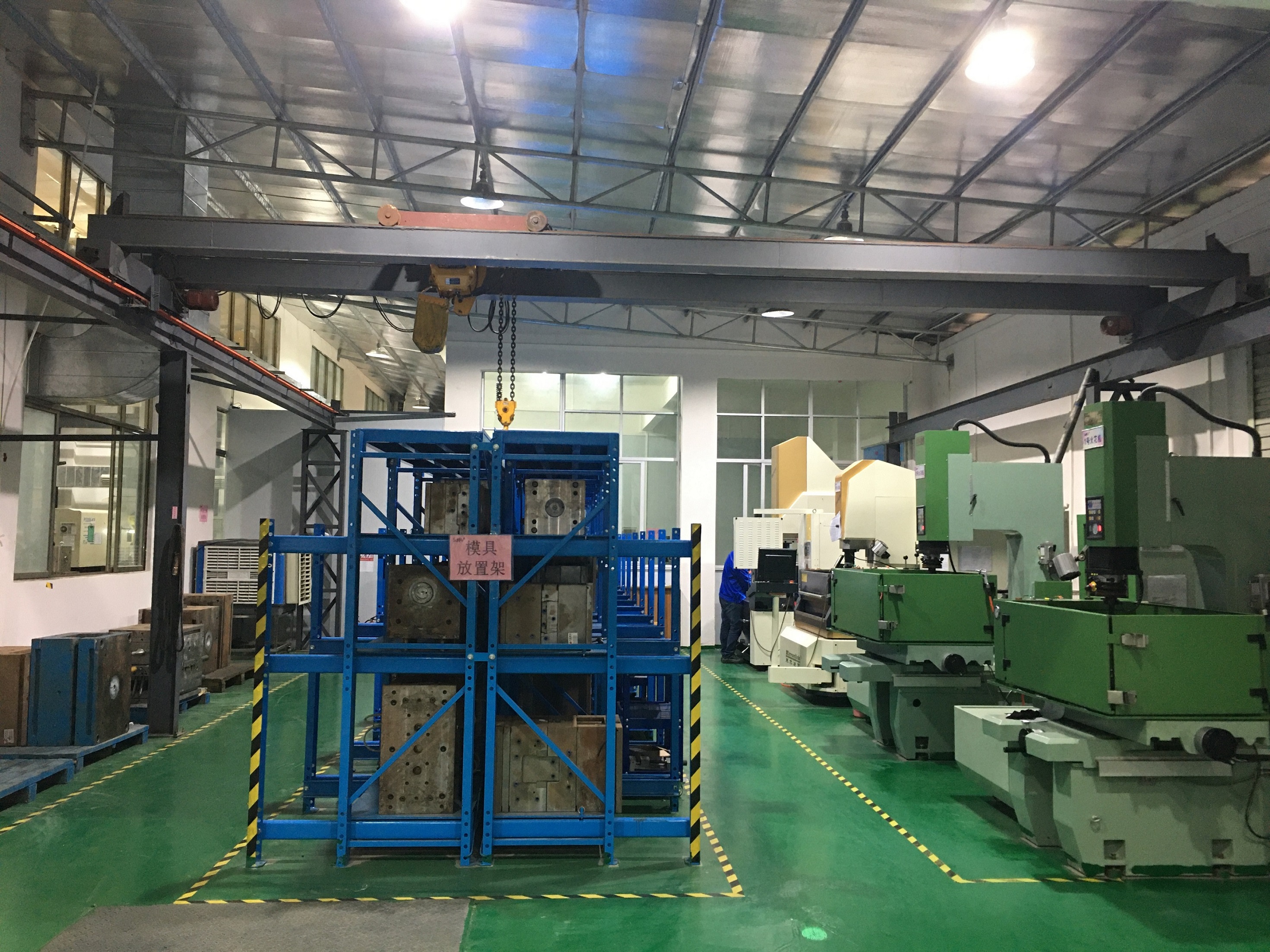
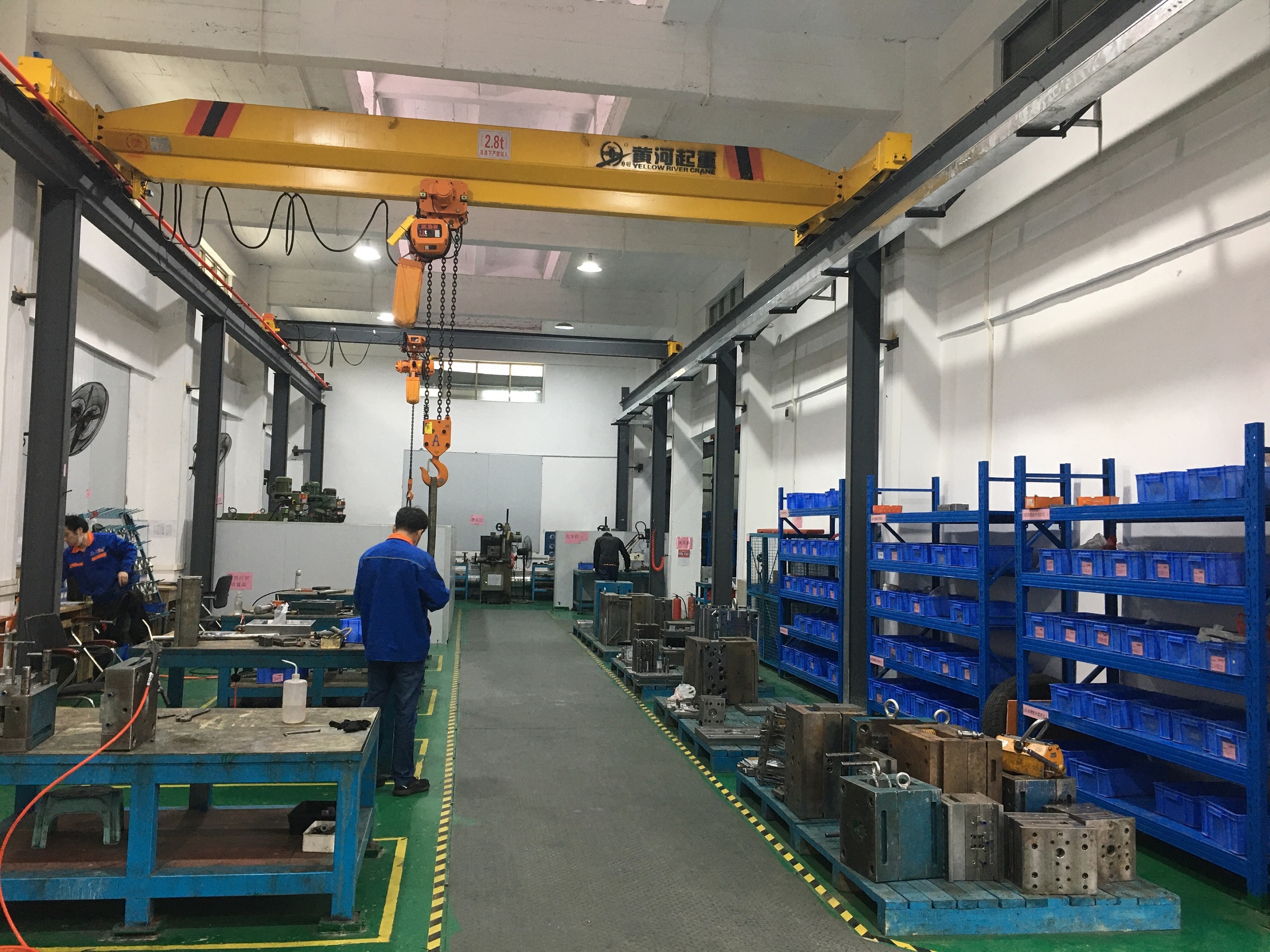
Injection Molding SPI surface finishes
|
Super High Glossy finish |
SPI A-1 |
|
High Glossy finish |
SPI A-2 |
|
Normal Glossy finish |
SPI A-3 |
|
Fine Semi-glossy finish |
SPI B-1 |
|
Medium Semi-glossy finish |
SPI B-2 |
|
Normal Semi-glossy finish |
SPI B-3 |
|
Fine Matte finish |
SPI C-1 |
|
Medium Matte finish |
SPI C-2 |
|
Normal Matte finish |
SPI C-3 |
|
Satin Textured finish |
SPI D-1 |
|
Dull Textured finish |
SPI D-2 |
|
Rough Textured finish |
SPI D-3 |
US-RAPID can match other mold textures upon customer's request, such as VDI. MT.
Advantages of Injection Molding
- High Efficiency with Low labor costs
- Excellent Surface Finish
- Good dimensional accuracy
- Make high-volume production fast
- Overmolding for more designs
- Can form complex shapes and details
- Rapid Turnaround and High productivity
- Long-lasting tools
- Multiple plastic materials